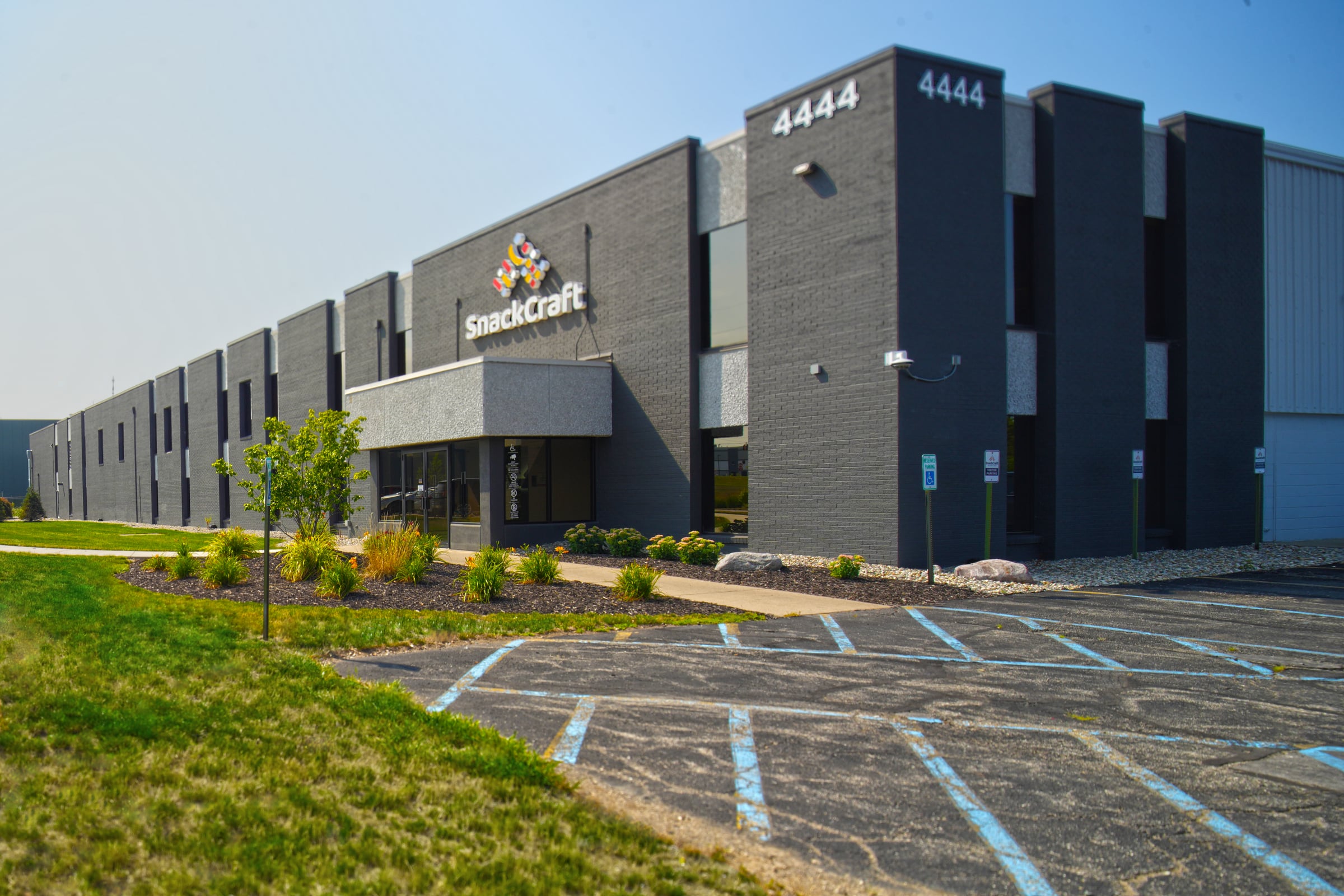
Capabilities · Sale-Leaseback
Free up the capital sitting in your real estate.
If you own the business and the building, a quarter of your net worth is probably underwriting nothing. Third Coast Development is West Michigan's go-to sale-leaseback partner for growing owner-operators, family businesses planning succession, and founders preparing an estate. We buy your operating real estate at fair value and lease it back to you on long-term commitments, so the capital can return to the business you actually run.
What a sale-leaseback actually does.
In plain English: you own a business, you own the building it operates out of, and a long-term holder buys the building from you at fair-market value. On the same day, you sign a long-term lease and keep operating the business exactly as before. Your equipment doesn't move. Your staff doesn't notice. Your customers don't notice. The deed changes hands; nothing else does.
What changes is your balance sheet. The capital that was locked in the dirt and the walls of your operating real estate is now liquid. You can deploy it into the business that generated the operating profits in the first place, or into a succession plan, or into your estate, or into the next opportunity you've been waiting for. The building keeps doing exactly what it was doing the day before. Your money goes back to work somewhere it can earn a real return.
The lease protects you. A well-structured sale-leaseback gives the operator a 10 to 20-year primary term, renewal options on top of that, and rent levels and escalators tailored to how the business actually runs. The operator gains occupancy certainty for the long run while putting the building's equity to better use.
Who uses sale-leasebacks, and why.
Three audiences come to us most often. The motivations are different; the structure that solves them is usually the same.
Growing operators focused on operational returns.
Most operating businesses generate returns on capital well north of what real estate ownership earns. A growing manufacturer, distributor, or service business can typically deploy a dollar inside the operating company at 15 to 30% returns, sometimes considerably higher. The same dollar locked in an owned industrial or commercial building earns the real estate yield: typically 6 to 8% on cap rate, before factoring in the cost of capital tied up in the equity.
The math gets uncomfortable when an owner-operator actually pencils it. If your business reinvests at 20% and your real estate yields 7%, every dollar of equity locked in the building is costing you the spread. A sale-leaseback closes the spread by liquidating the real estate equity and putting the proceeds back into the business that earns the higher return. We see this most often with manufacturing, distribution, restaurant, and service-business operators who are growing and want every available dollar inside the operating company.
Family business succession and estate planning.
Family businesses run into the building as a problem more often than as an asset. The founder owns both the operating company and the operating real estate. The next generation wants to run the operating company. The other children want liquid wealth they can deploy elsewhere. The surviving spouse needs cash flow, not real estate. The estate tax bill is real, and the building is the most illiquid asset on the balance sheet.
A sale-leaseback is often the cleanest tool here. The founder converts real estate equity into liquid wealth that can flow to retirement, to siblings not in the business, or into a trust. The next generation keeps running the operating company in the same building, on a long-term lease, often with a repurchase option that lets them buy the real estate back when their own balance sheet supports it. The succession plan stops being held hostage by an illiquid asset.
Business owners preparing for sale.
When an owner-operator gets close to selling the business, the operating real estate becomes a problem in the deal. Most strategic and private equity buyers want the operating company, not the real estate. Leaving the building in the deal forces the buyer to take on real estate they don't want, complicates the valuation, and almost always reduces the multiple the operating company commands.
Separating the operating company from the operating real estate before the sale cleans up the eventual transaction. A sale-leaseback before the sale of the business gives the seller two transactions instead of one, often at full value on each side, and delivers a cleaner exit. The buyer of the business gets exactly what they want and signs a long-term lease with us; the seller captures the real estate value separately and walks away with both checks.
How we structure them.
Every sale-leaseback we do is custom. The structure depends on the operating business, the building, the operator's capital plan, and the time horizon. A few principles run through all of them.
Fair-market value, supported independently.
We buy at fair-market value, supported by third-party appraisal, comparable sales, and replacement-cost analysis. We don't lowball. The deal only works if the operator is genuinely better off, and that starts with a price on the building both sides can defend.
Long primary terms with renewal options.
Lease terms typically run 10 to 20 years on the primary, with renewal options layered on top. The seller-tenant locks in occupancy of the building they've been operating out of for as long as they want it. Long primary terms are the norm because both sides want the same thing: a long, predictable arrangement.
Rent structures that match how the business runs.
Rent can be flat, escalated at fixed steps, indexed to CPI, or structured as percentage-of-sales for restaurant and retail operators. Industrial tenants typically prefer triple-net structures with CPI escalators; hospitality and food-service operators often prefer modified-gross or percentage rents. We tailor the structure to the operating business, not the other way around.
Triple net, absolute net, or modified gross.
We don't drop landlord obligations on operating teams that don't want them. If the operator wants a triple-net structure where they handle property expenses directly, we'll structure it that way. If they'd rather we handle some or all of the building obligations, we'll structure modified-gross. We meet the operator where they are.
Repurchase options and rights of first refusal.
When the seller wants future flexibility to repurchase, we structure fair-market-value purchase options, rights of first refusal, or rights of first offer into the lease. These are particularly useful in family succession deals, where the next-generation operator may want to bring the real estate back onto the operating company's balance sheet down the road.
Selected projects
Featured sale-leaseback projects
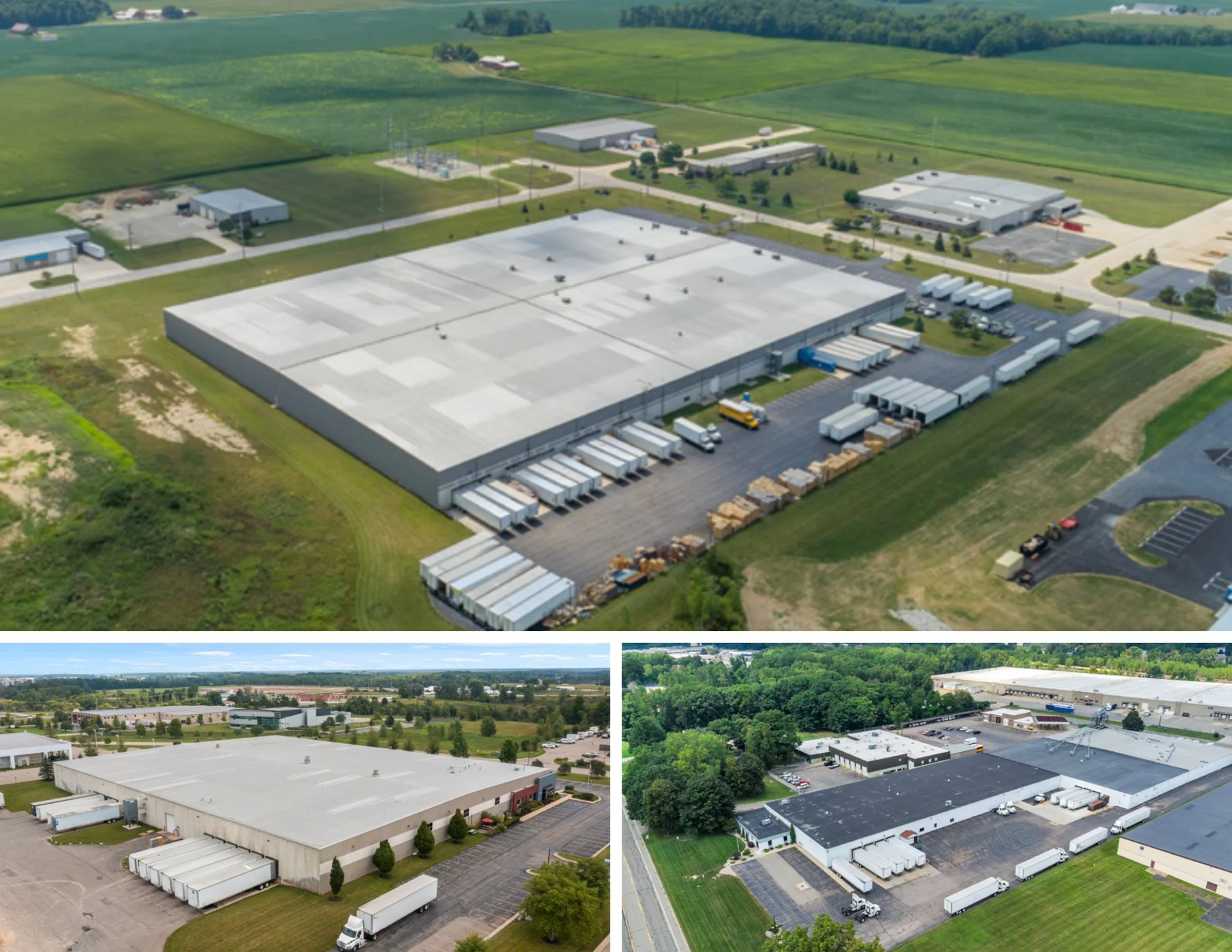
Industrial · Sale-Leaseback
Opus Packaging
Caledonia, MI
Sale-leaseback acquisition of the Caledonia headquarters facility of Opus Packaging, a regional corrugated and packaging manufacturer founded in 1984, executed through Carbon River Capital.
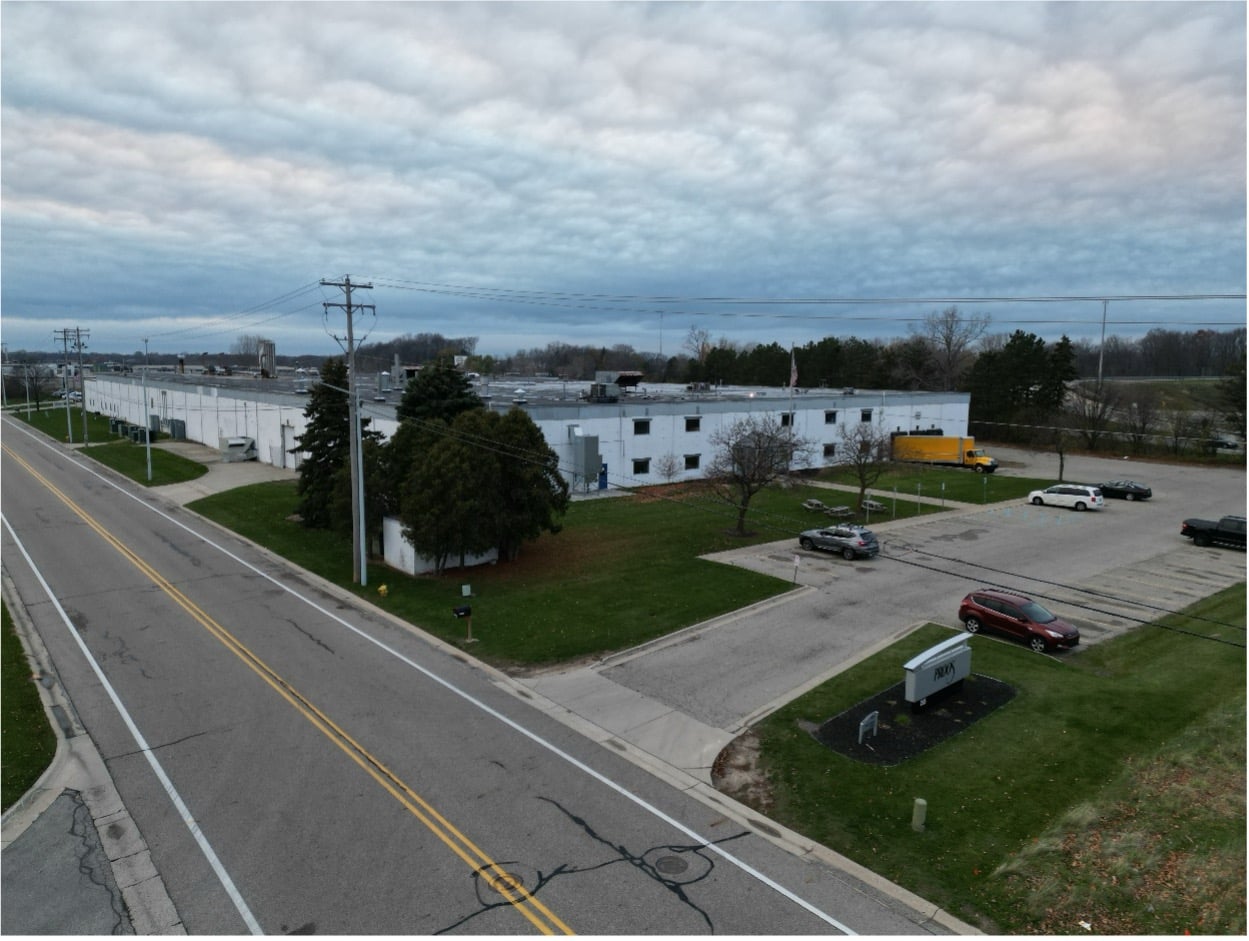
Industrial · Sale-Leaseback
Proos Manufacturing
Grand Rapids, MI
Option-to-purchase sale-leaseback of the Proos Manufacturing facility on Grand Rapids' Oak Industrial corridor, structured to give the owners flexibility on timing while locking in long-term occupancy for the operating business.
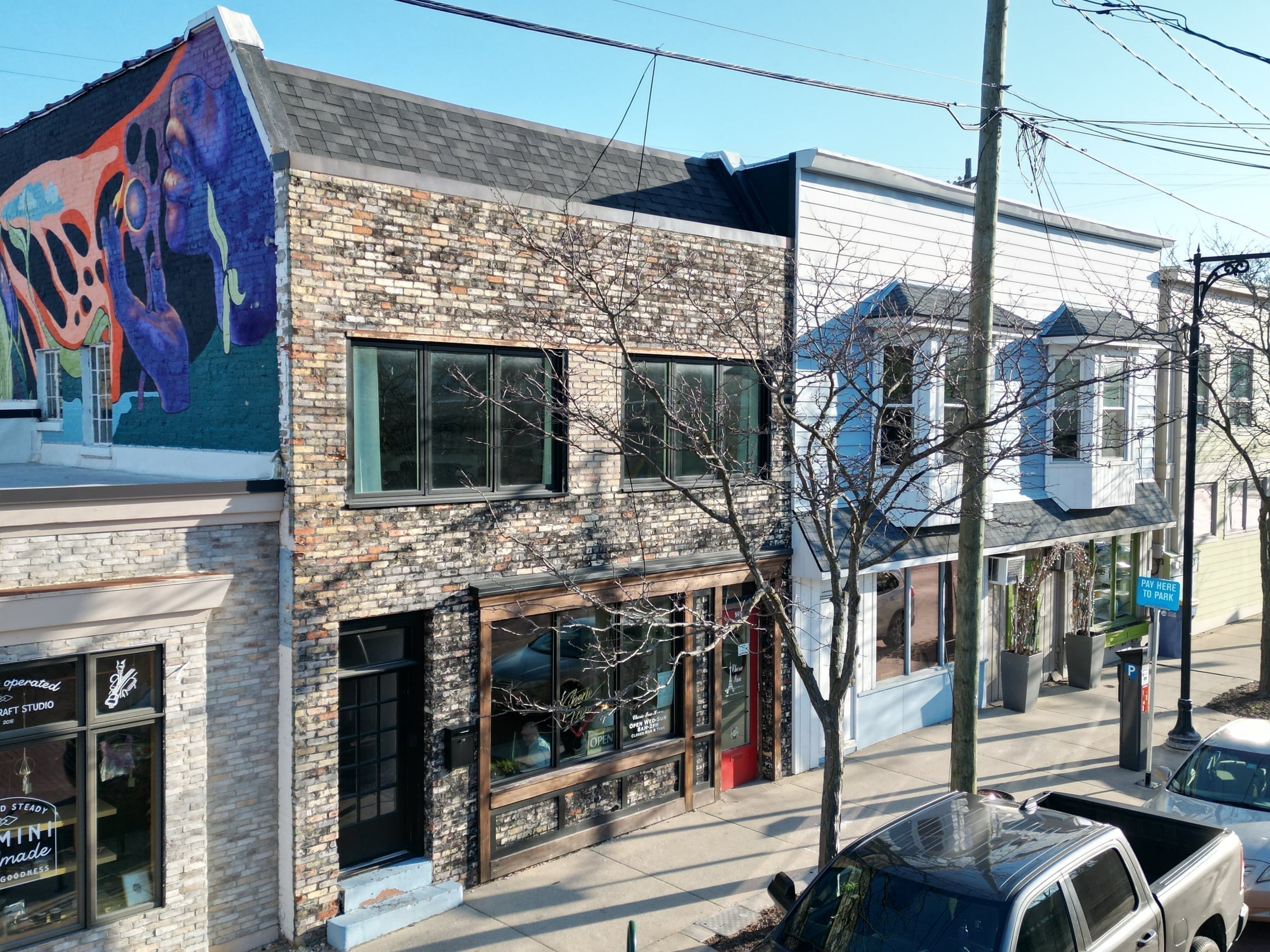
Commercial · Sale-Leaseback
Cherie Inn
Grand Rapids, MI
Sale-leaseback of the historic Cherie Inn restaurant building on Cherry Street, freeing up capital for the operator while preserving the longest-running restaurant in Grand Rapids in place.
Commercial · Sale-Leaseback
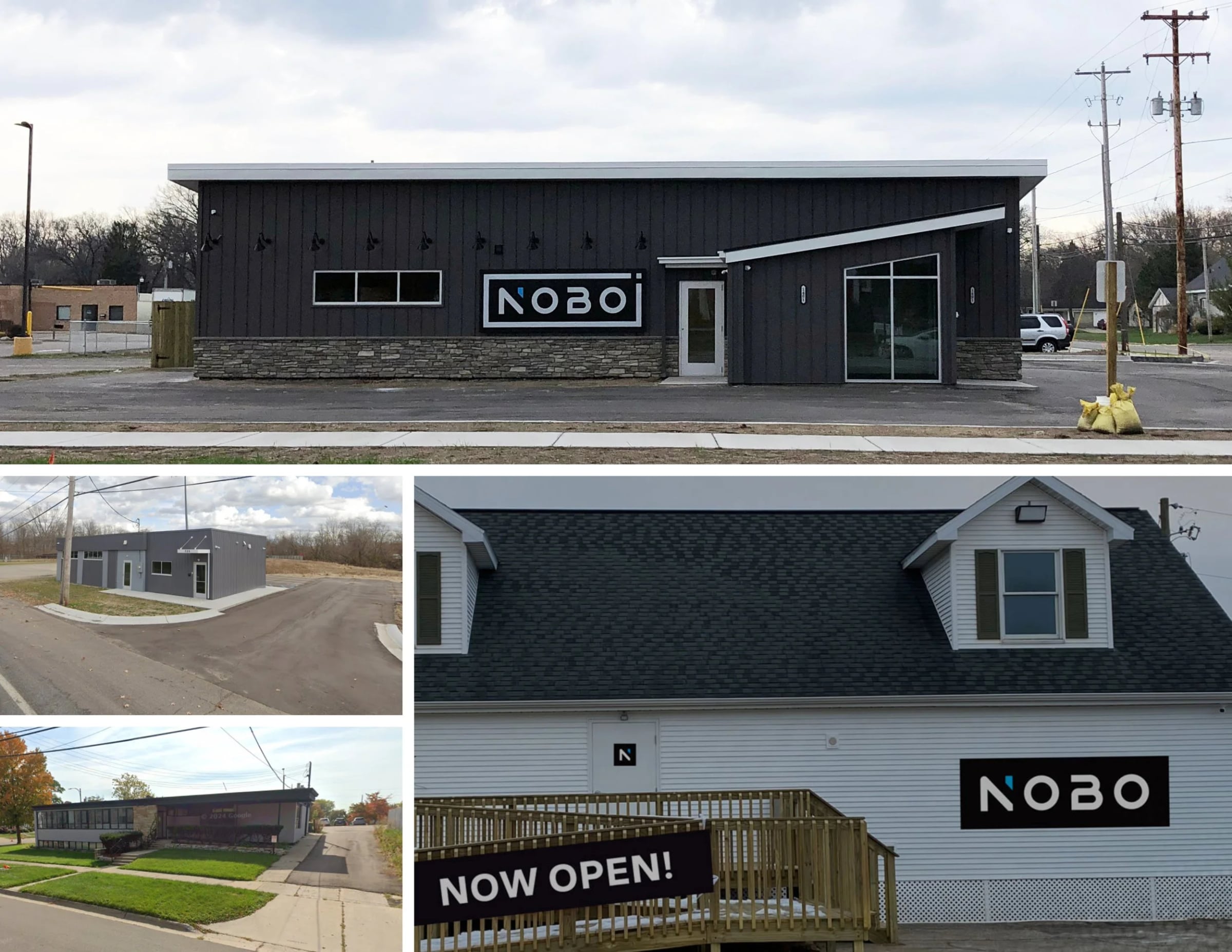
NOBO
Battle Creek, MI
Sale-leaseback acquisition of a NOBO cannabis retail storefront in West Michigan. Third Coast Development acquired the operating real estate so the NOBO team could keep capital focused on the dispensary business itself.
Frequently asked questions
What is a sale-leaseback in commercial real estate?
A sale-leaseback is a transaction where the owner of an operating business sells the real estate they occupy and simultaneously signs a long-term lease to keep using it. The operating business continues without interruption; the difference is that the capital previously locked in the building is now in the operator's hands, and a long-term landlord owns the real estate.
Do I get fair-market value for my building if I do a sale-leaseback?
Yes. We buy at independently-supported fair-market value. We use third-party appraisal, comparable sales, and replacement-cost analysis to set the price, and we want the operator to feel the number is right. The deal only makes sense if the seller-tenant is genuinely better off, and that starts with a fair price on the building.
How long does a sale-leaseback take from initial conversation to closing?
A straightforward sale-leaseback can close in 60 to 90 days from initial conversation through closing. Deals with environmental work, complex lease structuring, or multiple parties can take longer. We give realistic timelines up front and hit them.
Can my business continue operating during the transaction?
Absolutely. That's the whole point. Operations continue exactly as before, with no shutdown, no relocation, and no disruption to staff, customers, or suppliers. The only thing that changes on day one is who owns the deed, and the seller-tenant becomes a long-term lessee on the same building they've been operating out of all along.
What lease structure do you typically use?
We tailor lease structures to the operating business. Industrial tenants often want triple-net leases with long primary terms, renewal options, and CPI-linked rent escalators. Restaurant and retail tenants sometimes want percentage-of-sales rent structures or modified-gross leases. Family business succession deals often pair a long primary term with a fair-market-value repurchase option for the next generation. There is no template; we build the lease around the operator's business.
Can I buy the building back later?
Often, yes. We can structure the lease with a fair-market-value purchase option, a right of first refusal, or a right of first offer if the seller-tenant wants the future flexibility to repurchase. These are negotiated provisions, and we use them in deals where they make sense for both sides.
How does a sale-leaseback work for estate or succession planning?
Sale-leaseback is often the cleanest tool when an operating business is moving from one generation to the next. The founder typically owns both the operating company and the building. The next generation may want the operating company but not the building, or other family members may want liquid wealth out of the real estate. A sale-leaseback converts the building into cash that can flow to the founder, to siblings not in the business, or into a trust, while the next generation keeps running the operating company without changing anything about the facility.
Will the lease term protect my operations even if Third Coast later sells the building?
Yes. The lease runs with the building. If we ever sell the property to another long-term holder, the lease terms transfer to the new owner. The seller-tenant's occupancy, rent structure, renewal rights, and any purchase options stay intact. That's a key part of what a long-term sale-leaseback delivers: operational certainty regardless of who holds the title.
Do you only do industrial sale-leasebacks, or commercial, restaurant, and mixed-use too?
We do all of them. Industrial manufacturing, distribution, flex, restaurants, retail, professional services, and mixed-use properties are all in scope. The structure of the deal and the lease changes depending on the asset and the operator, but the core idea travels.
What kind of business, building, and location is the right fit?
We focus on West Michigan and the broader Midwest. We look for operating businesses with stable cash flow, real estate that fits the long-term operating need, and seller-tenants who want a multi-decade partner on the landlord side. We're flexible on size, from single-tenant industrial buildings of 20,000 square feet up through 600,000-square-foot facilities, and we'll evaluate any deal where the operator's capital can be put to better use somewhere else.
Sitting on equity in your operating real estate?
Tell us about your business, your facility, and what unlocking that capital would let you do. We'll come back with a real structure in days, not weeks.